
预约普吉岛 派纳乐长寿健康管理中心
请填写您的联系信息
我们重视您的时间,并致力于提供高品质的医疗与健康管理服务。请填写以下表格预约医生咨询。 日程 一个 预约 去看医生。
要点总结
PRP treatment, stem cell therapy, and exosome IV therapy each support tissue repair through different biological mechanisms, with varying applications, evidence levels, and costs. PRP uses growth factors concentrated from your own blood, stem cell therapy applies to cells that may support tissue regeneration, and exosome therapy delivers signaling vesicles that direct surrounding cells to repair. The right choice depends on your treatment goals, medical history, and physician assessment rather than novelty or price. Speak with a qualified provider to determine which regenerative approach fits your needs.
目录
切换
Regenerative medicine offers several non-surgical options designed to support the body’s natural repair processes, and PRP vs stem cell versus exosome therapy is one of the most common comparisons patients raise during consultation.
These treatments aim for similar objectives, but their mechanisms, target conditions, anticipated results, and financial commitments vary. This guide explains the function of each therapy, its best uses, and how a personalized medical assessment aids in decision-making.
Regenerative therapies use biologically derived materials to support tissue repair and recovery, with PRP treatment, stem cells, and exosomes representing three of the most widely discussed approaches in modern longevity and aesthetics care. The treatments have different ways of working, target different issues, and have varied results, making the selection of a treatment more important than its newness.
Choosing the right therapy depends on several factors considered together:
Individual response varies, and clinical evidence continues to evolve across all three categories. A treatment that suits one patient may be unsuitable for another, even when the presenting concern looks similar on the surface.
For this reason, regenerative care is best approached as a personalized decision guided by a qualified medical specialist.
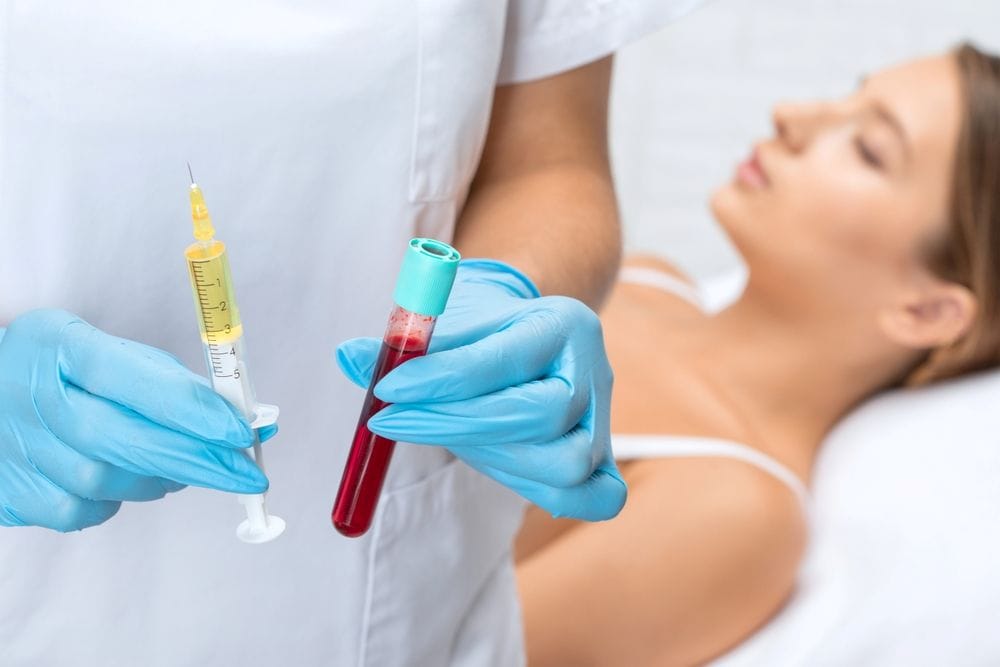
PRP treatment uses platelet-rich plasma prepared from a small sample of your own blood. The blood is processed to concentrate the platelets, which release growth factors that may support the body’s healing response in the treated area. Because the material is autologous, stem cell vs PRP discussions often begin with PRP as the most accessible entry point into regenerative care.
Common applications include:
PRP is advantageous in that it is minimally invasive, uses your own blood, and is generally more affordable than cellular therapies, though results may be more modest in advanced degenerative conditions and multiple sessions are usually required.
Clinical evidence varies by indication, so outcomes cannot be guaranteed. PRP is most suitable for mild to moderate concerns where the underlying tissue retains regenerative capacity, and it is often considered a sensible starting point before more complex interventions are explored.
With differentiation and biological signaling, stem cell therapy employs cells that can aid tissue repair. The therapy is under study in orthopedic, regenerative, and longevity-related fields, with clinical evidence still developing for most uses.
Options for stem cell therapy in Thailand include programs delivered under licensed medical supervision with defined eligibility criteria and structured pre-treatment screening. Common applications include:
Comparatively, stem cell therapy generally involves higher costs than PRP, more detailed pre-treatment screening, and a longer treatment timeline. Candidates need to be carefully assessed, and reputable clinics should clearly disclose what current evidence supports and where uncertainty remains.
Moreover, stem cell therapy isn’t suitable for all patients or conditions; its success hinges on the cell source, how they’re prepared, the condition being treated, and the patient’s individual reaction. This approach is most suitable when easier solutions won’t resolve the core issue.
Exosomes are nano-sized extracellular vesicles that carry signaling molecules involved in cell-to-cell communication. Rather than becoming new cells, they help coordinate biological repair processes by delivering instructions that direct surrounding cells to function more efficiently.
Exosome IV therapy and targeted injection protocols are increasingly used in both wellness and aesthetic settings. Common applications include:
Because the approach is cell-free, exosome therapy can simplify preparation, storage, and administration compared with cellular therapies. It is a developing area of medicine, and clinical evidence continues to emerge across different indications.
Between the popular choices of PRP vs stem cell, exosomes are sometimes overlooked, but they represent a meaningful third option for selected aesthetic and wellness goals. Nevertheless, a qualified physician should discuss candidacy, realistic expectations, and current evidence limitations with you prior to starting treatment.

The three therapies differ across source, mechanism, invasiveness, common applications, and cost. Here’s a useful PRP vs stem cell therapy vs exosome therapy comparison in Thailand:
None of these therapies is universally superior. Selection should follow a clinical assessment rather than price comparison or marketing claims alone. Consider the expected outcomes for your specific concern, the supporting evidence for that indication, recovery time, the number of sessions required, and how the treatment fits into a longer-term care plan.
PRP, stem cell, and exosome therapies each contribute differently to regenerative medicine, with distinct mechanisms, applications, and cost profiles. Ultimately, choosing the right approach is best done with a personalized clinical assessment by a qualified medical team.
At Plenary Longevity Wellness, we offer PRP, stem cell, and exosome protocols under one medical team in Phuket, where our physicians assess and match the right therapy to your needs. Our treatments are delivered by licensed medical specialists using FDA-approved protocols, integrated diagnostics, and multilingual care for both local and international patients.
Book a consultation with Plenary Longevity Wellness today to see which options among PRP treatments, exosome IV therapy 和 stem cell therapy in Thailand is the most appropriate regenerative approach for your goals.
参考:
A: PRP treatment uses growth factors from the patient’s own blood, stem cell therapy Thailand programs use cells that may support tissue repair, and exosome IV therapy uses cell-derived signaling vesicles. Each differs in mechanism, application, and cost.
A: Both are cell-free or autologous regenerative approaches, but they work differently. PRP relies on growth factors released by your own platelets, while exosome therapy uses signaling vesicles that direct surrounding cells to support repair. The right choice depends on the indication and clinical assessment.
A: No single therapy is universally better. Each has appropriate clinical contexts. PRP suits mild to moderate concerns, stem cell therapy is considered for more complex regenerative indications, and exosome therapy is increasingly used for aesthetic and wellness applications. A medical assessment determines the right approach.
A: Yes. Stem cell therapy typically involves higher costs than PRP due to the complexity of cell preparation, more detailed pre-treatment screening, and longer treatment protocols. Cost should be weighed against clinical suitability and expected outcomes rather than considered in isolation.
A: Physicians review your medical history, current condition, treatment goals, prior interventions, and budget. They then match the most appropriate therapy to the indication. Clinics offering multiple regenerative options can recommend across PRP, stem cell, and exosome protocols rather than default to one.
我们重视您的时间,并致力于提供高品质的医疗与健康管理服务。请填写以下表格预约医生咨询。 日程 一个 预约 去看医生。

电话: +66 65 241 2591
电子邮件: [email protected]
地址:
15/328 Moo 1, Soi Naya, Nai Harn Beach,Rawai, Muang, 普吉岛, 83130,
泰国


