
预约普吉岛 派纳乐长寿健康管理中心
请填写您的联系信息
我们重视您的时间,并致力于提供高品质的医疗与健康管理服务。请填写以下表格预约医生咨询。 日程 一个 预约 去看医生。

Autologous vs allogeneic cell therapy is not a question of which is universally better, but which suits the patient’s biology, timeline, and treatment goals. Autologous uses cells harvested from the patient’s own body, while allogeneic uses pre-screened cells from a donor cell bank, and each carries a different profile for safety, dosing, and speed to treatment. To find out which protocol fits your case, explore stem cell treatment in Thailand at Plenary Longevity Wellness.
Patients researching stem cell therapy quickly hit a fork in the road: use their own cells, or a screened donor’s. That single choice changes safety profile, dosing, and how long treatment takes to start. Both autologous and allogeneic approaches are used in regenerative and longevity medicine, including in clinics across Thailand, and neither is automatically the right answer for every patient.
If you are considering either, here’s what each approach involves, where they genuinely differ, and how the decision is made in consultation with a physician.
Autologous cell therapy uses cells harvested from the patient receiving treatment, most often from adipose (fat) tissue in the abdomen, though bone marrow and peripheral blood are also common sources. Those cells are then processed and cultured in a laboratory before being reinfused into the bloodstream or injected into a target area.
Immune rejection risks are lower and hypersensitivity concerns are reduced because the cells come from the same body. This method demands more time for medical screening, tissue harvesting, and cell culturing prior to the actual treatment.
Autologous protocols are commonly considered by patients who prioritize working with their own biological material, and by clinicians treating conditions where compatibility with the patient’s own biology is a defined priority. Common areas of use include orthopedic recovery, aesthetic applications, and select longevity-focused programs.
Allogeneic cell therapy uses cells from a screened donor rather than the patient. Donor tissue, often derived from umbilical cord after birth or from a healthy adult donor, is collected under rigorous medical screening and stored in a laboratory cell bank ahead of treatment.
This method involves banking cells, which leads to more consistent dosing and quicker access because the cells are ready before a patient arrives. The recipient does not need a harvesting procedure, reducing the total clinical pathway time.
Allogeneic transplant protocols have been widely researched across regenerative medicine, and in many modern clinical settings they are positioned as the first-line option because the cells can be quality-controlled at the bank stage rather than depending on the patient’s own biology at the time of harvest.
Between allogeneic vs autologous stem cell therapy in Thailand, efficacy comes down to four practical differences.
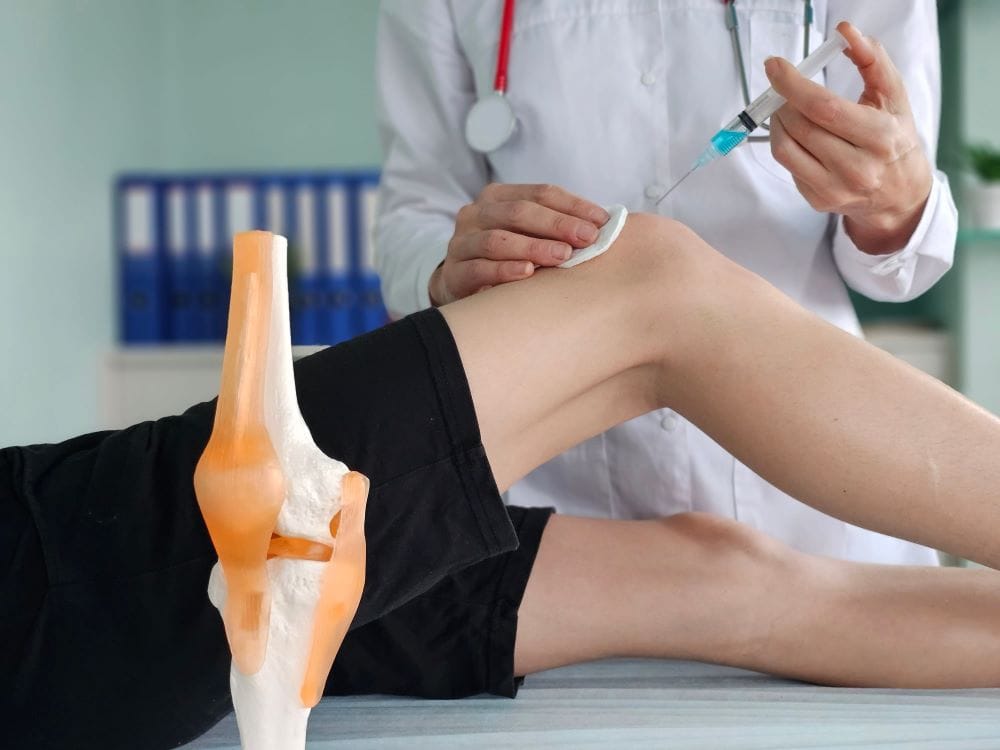
The choice between autologous and allogeneic is not made from a template. During consultation, physicians review medical history, current health status, and any conditions that affect eligibility for either approach. The recommended route is based on blood work and baseline diagnostics, along with any current medications the patient takes.
Treatment objectives influence the plan such as regenerative therapy for orthopedic/degenerative issues, longevity programs, aesthetic enhancements, or a mix of these goals. The need for speed and a specific timeframe are also important, as using banked donor cells allows for quicker initiation compared to cultured patient cells. This is crucial for international patients who have restricted timeframes for their stay.
Combination approaches are increasingly common. Stem cell therapy can be paired with exosome therapy, 肽疗法, NAD+ therapy, or IV protocols within a broader regenerative plan, so the discussion often expands beyond a simple either/or between the two cell sources. In practice, many patients arrive expecting one option and leave with a sequenced plan built around several complementary treatments.
Plenary Longevity Wellness offers both allogeneic and autologous cell therapy in Nai Harn, Phuket, under a single physician-led program. Allogeneic is our most recommended protocol, drawn from a screened donor cell bank and delivered without any harvesting procedure for the patient. It suits patients who want to begin treatment quickly.
Our autologous protocols are built around your own harvested tissue, typically from abdominal adipose tissue, and are ideal for patients who prefer to work with their own biological material. Both approaches are delivered following FDA-approved laboratory standards within a licensed clinical setting.
Moreover, our multilingual team supports care in English, Thai, Chinese, and Russian as part of our continued commitment to our expat, Australian, and US patient base.
Autologous cell therapy uses cells harvested from the patient’s own body, processed in a laboratory and reinfused, which lowers immune rejection risk but adds a longer pre-treatment window. Allogeneic uses pre-screened, banked donor cells that are ready for faster, standardized use. Neither option is automatically better as the right choice depends on the patient’s health profile, urgency, and comfort with donor-derived cells.
At Plenary Longevity Wellness, we build every plan through consultation and diagnostics, enabling patients to move forward with a protocol matched to their profile. Both our allogeneic and autologous approaches are available under one physician-led program with laboratory work delivered to FDA-approved standards.
Explore your options for stem cell treatment in Thailand at Plenary Wellness. With us, a physician consultation reviews your health history, treatment goals, and timeline before recommending whether allogeneic or autologous cell therapy fits your case. Consult our team to schedule your assessment.
参考:
Autologous vs. Allogeneic Cell Therapy. Retrieved on August 26, 2026, from https://www.susupport.com/blogs/biopharmaceutical-products/autologous-vs-allogeneic-cell-therapy
Longevity Medicine: Upskilling the Physicians of Tomorrow. Retrieved on August 26, 2026, from https://www.thelancet.com/journals/lanhl/article/PIIS2666-7568(21)00024-6/fulltext
A: Autologous cell therapy uses cells harvested from the patient receiving treatment, typically from abdominal adipose tissue, which are then processed in a laboratory and reinfused. Allogeneic cell therapy uses pre-screened cells from a donor cell bank. Autologous carries lower immune rejection risk since the cells are recognized as self; allogeneic offers faster availability and more standardized dosing.
A: Autologous protocols carry a lower risk of immune rejection because the cells come from the patient’s own body. Allogeneic protocols require donor-compatibility screening, and in some cases additional immune monitoring, though mesenchymal stem cell products in particular have been shown to carry a low immunogenicity risk. Overall safety depends on the specific protocol, the clinic’s laboratory standards, and the patient’s health status.
A: Autologous therapy requires a longer pre-treatment window than allogeneic, since cells must be harvested from the patient and cultured in a laboratory before the treatment session. The full pathway can span several weeks depending on the protocol and lab timelines. Allogeneic treatment can begin faster because the cells are already prepared and stored in a cell bank.
A: Yes. Both autologous and allogeneic stem cell protocols are permitted in Thailand within licensed medical settings and under specific clinical regulations. At Plenary Longevity Wellness in Phuket, both approaches are offered under a physician-led program, with cells prepared to FDA-approved laboratory standards.
A: In many cases, yes. Stem cell therapy is frequently paired with exosome therapy, peptide therapy, NAD+ therapy, or IV protocols within a broader regenerative plan. Combinations are designed by the medical team so each therapy complements the others, and the sequencing is set during consultation based on the patient’s goals and clinical findings.
我们重视您的时间,并致力于提供高品质的医疗与健康管理服务。请填写以下表格预约医生咨询。 日程 一个 预约 去看医生。

电话: +66 65 241 2591
电子邮件: [email protected]
地址:
15/328 Moo 1, Soi Naya, Nai Harn Beach,Rawai, Muang, 普吉岛, 83130,
泰国


