
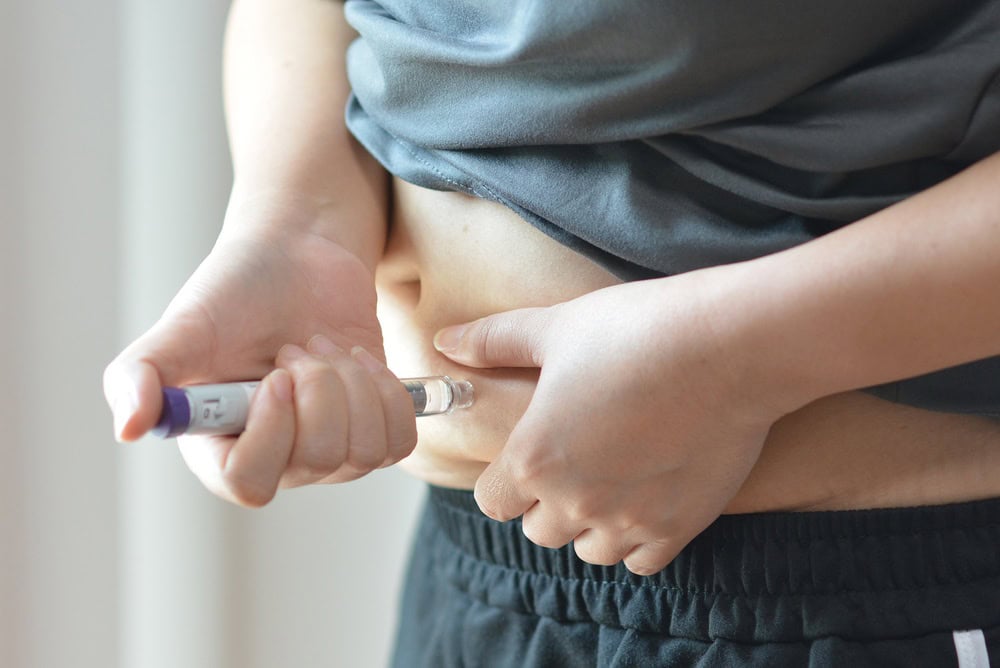
More people now use doctor-guided options to manage their weight, and peptides for weight loss sit at the center of that interest. The term covers prescription medications with clinical evidence and products sold online with little of it. This guide explains what they are, which have evidence, and how they compare with a medical weight loss program.
Short chains of amino acids called peptides serve as signaling molecules in the body. For weight management, the pertinent category is incretin-based medications, which include GLP-1 receptor agonists—drugs that imitate a gut hormone regulating appetite, satiety, and blood sugar levels.
Certain medicines referred to as weight-loss peptides are prescribed by doctors and supported by clinical evidence. Many products marketed online or in wellness environments do not have the proof required for safe and effective weight loss. A product described as a peptide is not automatically safe, effective, or suitable for a given person.
The answer depends on clinical evidence, regulatory approval, medical history, and individual suitability. The best peptides for weight loss with established evidence are doctor-prescribed GLP-1 medications.
Semaglutide mimics GLP-1, a hormone involved in appetite regulation, fullness, and blood glucose control. In the STEP 1 trial, adults without diabetes who received once-weekly semaglutide alongside lifestyle support lost about 14.9% of body weight at 68 weeks, compared with 2.4% for placebo.
Results vary by person, and the medication is doctor-prescribed following a medical assessment. Nausea, vomiting, diarrhea, constipation, and abdominal discomfort are among the possible side effects.
Tirzepatide acts on two receptors, GIP and GLP-1, and is used for weight management in eligible patients under its approved indication. In the SURMOUNT-1 trial, participants on the highest dose lost about 20.9% of body weight at 72 weeks. It is a doctor-prescribed treatment that requires clinical assessment and ongoing monitoring.
Liraglutide is a GLP-1 medication that supports appetite regulation and weight management. It is given as a daily injection, while semaglutide and tirzepatide are dosed once weekly. Dosing frequency alone does not determine which medication suits a given patient.
Retatrutide and cagrilintide are investigational compounds studied for weight management. Early trial results have been notable but do not establish long-term safety or approval. The US Food and Drug Administration states that these compounds are not components of approved drugs and have not been found safe and effective for any condition.
Verify a medicine’s approval status and discuss its evidence and risks with a qualified physician before considering it.
The side effects of peptides for weight loss depend on the specific medicine, dose, individual health profile, and product quality. A clinically studied prescription medicine has a documented risk profile. An unapproved or poorly characterized product carries risks that are far less predictable.
Gastrointestinal symptoms are the most common effects of prescription weight-loss injections, including nausea, vomiting, diarrhea, constipation, and abdominal discomfort. Injection-site reactions can also occur.
Symptoms may change as the dose is adjusted, and persistent or severe symptoms warrant medical review.
Certain medicines carry warnings about serious complications, including pancreatitis and gallbladder problems. Dehydration from significant vomiting or diarrhea can contribute to kidney problems. Some medications have specific contraindications, including considerations involving pregnancy and personal or family medical history.
Seek urgent care for severe abdominal pain, difficulty breathing, or swelling of the face or throat.
Products sold online as research peptides may have uncertain ingredients, strength, sterility, and manufacturing quality. The FDA has documented dosing errors, improper refrigeration during shipping, and contamination linked to unapproved and compounded GLP-1 products. Obtain prescription medicines through licensed medical channels and a qualified prescriber.
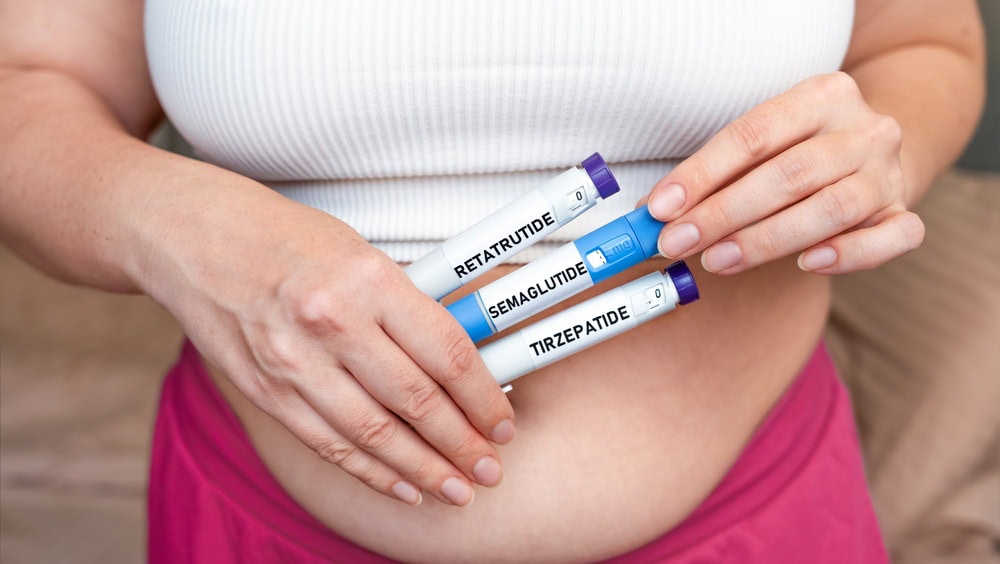
The two describe different things. Peptide therapy may mean a specific medicine or a category of treatments, while a medical weight loss program combines clinical assessment, an individualized plan, follow-up, and lifestyle support. The two approaches can work together within one plan.
Peptide therapy begins with a medical consultation to establish goals, medical history, and suitability for a proposed treatment. The specific compound, evidence base, dosing plan, and follow-up are reviewed before treatment. The term covers different compounds, so it does not imply that every peptide has evidence for weight loss.
A medically supervised program can include health screening, body composition assessment, nutrition guidance, lifestyle coaching, and prescription medication where appropriate. Medical weight loss injections such as GLP-1 medications may form one part of that plan. Follow-up appointments let clinicians review progress, side effects, and adjustments, and the plan is matched to each person’s health needs.
For a specific peptide, verify its evidence, approval status, intended use, and risks before deciding. For structured support, consider a program that combines clinical assessment with nutrition and lifestyle guidance.
For existing health conditions or current medications, discuss interactions and contraindications with a physician. The decision rests on individual needs and a medically appropriate plan.
Plenary Longevity Wellness in Nai Harn, Phuket, offers peptide therapy and a doctor-guided medical weight loss program under one physician-led clinic that brings together longevity and aesthetic care.
Peptide therapy covers a range of peptide-based treatments, including compounds discussed for metabolic and weight-management goals. The medical weight loss program follows a structured path that can include assessment, prescription weight-management injections, nutrition guidance, and progress reviews.
Our physicians confirm which specific medication is proposed, whether it is approved for the intended use in Thailand, and what evidence supports it. For international patients traveling for peptide therapy in Thailand, the team sets out consultation, prescribing, monitoring, and follow-up arrangements, including care after returning home.
Read more about our structured medical weight loss program and how it works alongside peptide-based care.
Peptides for weight loss range from doctor-prescribed GLP-1 medications with clinical evidence to investigational and unapproved products that carry real uncertainty. Evidence, approval status, and individual suitability decide which option, if any, is appropriate, so ask which specific medication is proposed, how it is monitored, and what follow-up is included before starting treatment.
Plenary Longevity Wellness combines longevity and aesthetic medicine in Nai Harn, Phuket, with multilingual care for its expat, Australian, and US patients. Our team reviews your health history, goals, and timeline for the right approach to peptide therapy in Thailand or medical weight loss injections.
Schedule your appointment for a personalized assessment and a plan built around your unique physiology today.
References:

Dr. Thamonwan Trongpanyachot (Dr. Bee) is a licensed physician in Thailand (medical licence no. 75202) with 8 years of experience in healthcare. She earned her medical degree from the Medical University of Lublin, Poland.


