
จองนัดหมายของคุณที่ Plenary Longevity Wellness ในภูเก็ต
โปรดระบุข้อมูลติดต่อของคุณ
เราให้ความสำคัญกับเวลาของคุณและมุ่งมั่นที่จะให้บริการทางการแพทย์ที่มีคุณภาพสูง โปรดกรอกแบบฟอร์มด้านล่างเพื่อ กำหนดการ หนึ่ง การนัดหมาย ปรึกษาแพทย์
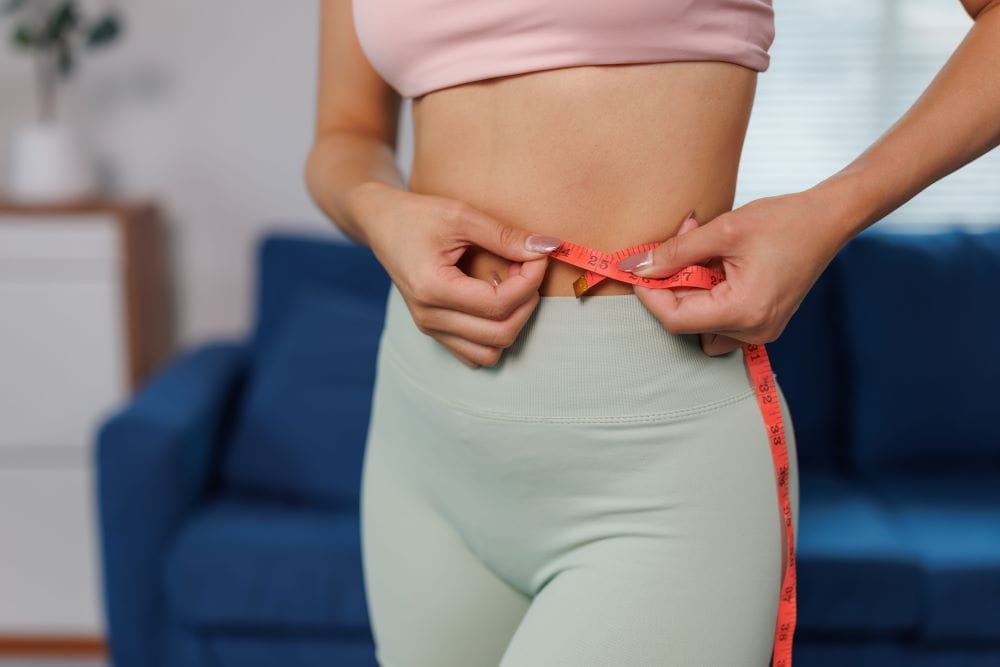
Most people who are aiming for effective weight loss have already tried the usual: strict diets, consistent workouts, or the latest holistic diet. They may see improvement after some time, but maintaining that weight once the program ends often proves difficult.
Sustainable results come from habits that fit into daily life, supported by nutrition, movement, sleep, stress management, and, if needed, professional guidance. Here is how to effectively lose weight without extreme restriction, the habits that support long-term change, and when a more structured medical program is the right next step.
When asking what is the best way to lose weight, the answer lies in having a strategy you can maintain for years. The most useful actions fall into three areas.

Here are a few ways to ensure you maintain your new habits:
If you have hit a wall, feel like your progress is not where it needs to be, or have broader health concerns tied to your weight, you may want to consider a supervised clinical weight loss program. A sustainable weight loss program combines dietary planning, physical assessment, and ongoing follow-up so the plan can be adjusted as the body and lifestyle respond.
Progress may be influenced by a variety of individual determinants, including disparities in nutritional requirements, prior medical conditions, physical exertion, and metabolic well-being. Consequently, medical supervision typically initiates with a personalized evaluation to tailor the regimen based on an individual’s health background, physical exertion, and objectives.
Integrating targeted nutrition with medical oversight creates a conducive environment where you can focus entirely on health without the distractions of daily life.
At Plenary Longevity Wellness in Nai Harn, Phuket, we offer targeted weight loss Phuket programs led by qualified doctors using diagnostics, prescription therapies like GLP-1 receptor agonist injections, and structured follow-up.
Take it a step further and explore one of our wellness retreat packages, such as the 6-day Slim & Detox Program that combines a Detox IV Drip, Diet Pen for 6 months, and Red Light Fat Burn Therapy for fat burning and body sculpting.
Schedule your appointment for a personalized assessment and a plan built around your unique physiology today.
เอกสารอ้างอิง:
Steps for Losing Weight. Retrieved November 24, 2026, from https://www.cdc.gov/healthy-weight-growth/losing-weight/index.html\
Physical Activity and Your Weight and Health. Retrieved November 24, 2026, from https://www.cdc.gov/healthy-weight-growth/physical-activity/index.html
Tips for Healthy Eating for a Healthy Weight. Retrieved November 24, 2026, from https://www.cdc.gov/healthy-weight-growth/healthy-eating/index.html
Weight Loss in Short-Term Interventions for Physical Activity and Nutrition Among Adults With Overweight or Obesity: A Systematic Review and Meta-Analysis. Retrieved November 24, 2026, from https://www.ncbi.nlm.nih.gov/pmc/articles/PMC10996390/
Dietary and Behavioral Strategies for Weight Loss and Weight Loss Maintenance: A Narrative Review. Retrieved November 24, 2026, from https://www.ncbi.nlm.nih.gov/pmc/articles/PMC12787890/
Perspectives Into the Experience of Successful, Substantial Long-Term Weight-Loss Maintenance: A Systematic Review. Retrieved November 24, 2026, from https://www.tandfonline.com/doi/full/10.1080/17482631.2020.1862481
A: The most effective approach is the one that can be maintained. For most people, that means combining balanced nutrition, regular physical activity, adequate sleep, and stress management. Gradual weight loss of about one to two pounds a week is more likely to last than rapid loss from extreme restriction.
A: Focus on consistent habits rather than short-term diets. Build meals around lean protein, vegetables, and whole grains, move regularly, get enough sleep, and manage stress. These habits create the calorie balance needed for weight loss without the rebound that follows extreme restriction.
A: Sustainable weight loss typically progresses at about one to two pounds a week, which means several months for most people to reach a meaningful target. Timelines vary depending on starting weight, medical history, and adherence, and results are individual.
A: Consider a structured program when previous attempts have not held, when goals overlap with health conditions, or when you would benefit from clinical assessment, personalized nutrition, and ongoing follow-up. Medically supervised programs begin with individual assessment rather than a fixed plan.
A: Yes. Some clinics offer wellness retreat packages that pair a structured diet program with accommodation, diagnostics, and clinical support. This can provide dedicated time to reset habits before returning to daily routines.
เราให้ความสำคัญกับเวลาของคุณและมุ่งมั่นที่จะให้บริการทางการแพทย์ที่มีคุณภาพสูง โปรดกรอกแบบฟอร์มด้านล่างเพื่อ กำหนดการ หนึ่ง การนัดหมาย ปรึกษาแพทย์

โทรศัพท์: +66 65 241 2591
อีเมล: [email protected]
ที่อยู่:
15/328 หมู่ 1 ซอยนายา หาดในหาน ราไวย์ เมือง ภูเก็ต 83130,
ประเทศไทย


