
How to Get Rid of Sagging Jowls Without Surgery

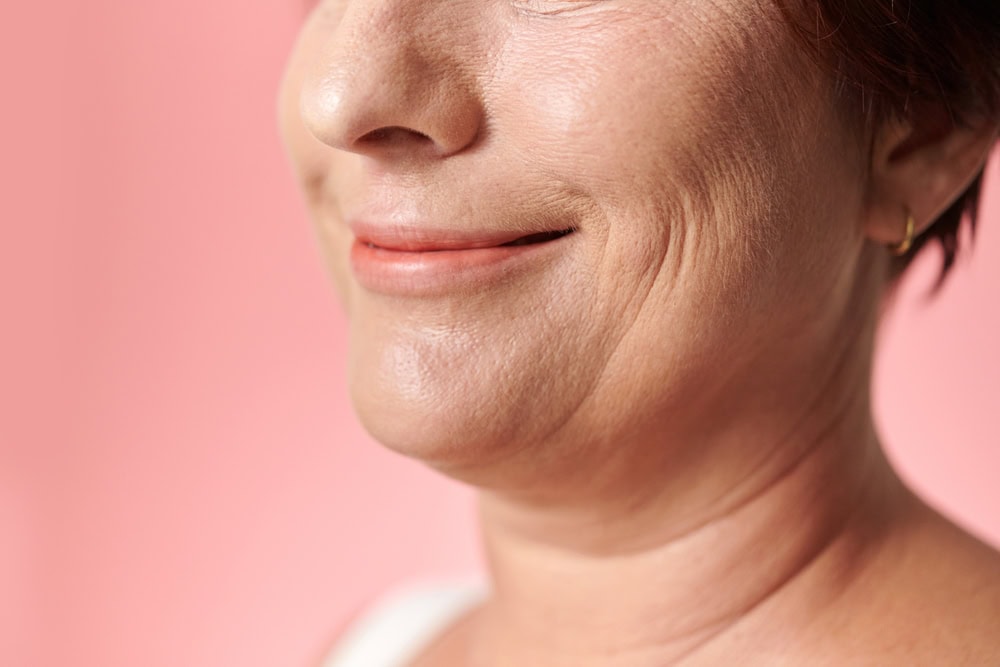
A woman experiencing facial sagging before learning how to get rid of jowls without surgery.

Основные выводы

  • Jowls develop due to collagen and elastin loss, facial fat redistribution, genetics, sun exposure, and weight fluctuations. Daily skincare, sun protection, and maintaining a healthy weight may help slow further skin aging but cannot fully reverse established sagging.
  • Botox may improve jawline definition by relaxing downward-pulling neck muscles, while Ultherapy stimulates collagen production to tighten mild to moderate skin laxity. Neither treatment removes excess skin or replaces a surgical facelift.
  • The best non-surgical approach depends on the cause and severity of jowls. A physician assessment helps determine whether Botox, Ultherapy, or a combination offers realistic results.

Jowls form when skin and tissue along the lower cheeks lose support and settle near the jawline. People who search for how to get rid of jowls usually want options that avoid surgery. This guide covers the causes of jowls and what Botox and Ultherapy can realistically offer.

What Causes Jowls on the Face and Jawline?

What causes jowls and how can I get rid of them without surgery? Jowls appear when several age-related changes happen at the same time in the lower face.

  • Collagen and elastin loss: These proteins keep skin firm and elastic, and their decline allows tissue to sag.
  • Facial fat redistribution: Fat shifts downward, and the ligaments that anchor the cheeks loosen, letting tissue descend toward the jawline.
  • Genetics: Inherited facial structure, skin type, and aging patterns determine when and how jowls appear.
  • Sun exposure: Cumulative ultraviolet damage accelerates collagen breakdown.
  • Weight fluctuations: Large changes in weight alter facial volume and the way loose skin sits.

Jowls are common, and many contributing factors cannot be fully controlled. Mild laxity may respond to non-surgical care in some patients. Pronounced descent often calls for a surgical opinion.

How to Get Rid of Jowls Without Surgery

People searching for how to get rid of sagging jowls at home have several options that support the contours of the face. The evidence behind each differs, and the results depend on how far the sagging has progressed:

  • Daily broad-spectrum sunscreen: Consistent UV protection limits further collagen breakdown and slows skin aging.
  • Topical retinoid, introduced gradually: These vitamin A derivatives may improve texture and fine lines over several months, though they do not lift established sagging.
  • Stable weight: Large weight changes alter facial volume and the way loose skin sits along the jawline.
  • Gentle massage and gua sha: These may reduce puffiness temporarily, and evidence for a lasting lift of sagging jowls is limited.
  • Face exercises for jowls: Targeted movements such as chin lifts, jaw clenches, and neck stretches engage the muscles around the lower face. A systematic review in Aesthetic Surgery Journal found the clinical evidence still limited, though participants in several reports described visible tightening with consistent daily practice.

Botox for Jowls and What It Can Realistically Do

Can Botox or Ultherapy lift sagging jowls? The two treatments act through different mechanisms and suit different concerns.

Botox, a brand of botulinum toxin type A, works by temporarily relaxing targeted muscles. At a botox injection clinic, a doctor may treat the platysma, the thin neck muscle that pulls the lower face downward, to soften that pull and improve jawline definition. The effect develops over days and lasts several months but may require maintenance treatments.

Botox does not eliminate loose skin nor reposition sagging tissue, and its efficacy on pronounced jowls with considerable skin laxity is restricted. Potential adverse effects may include bruising, asymmetry, and transient weakness in adjacent muscles, contingent upon the injection site and dosage. A licensed physician evaluates facial anatomy and muscle function prior to suggesting placement and dosage.

Ultherapy for Sagging Jowls and What Studies Show

Ultherapy works by delivering microfocused ultrasound energy, concentrated at a set depth beneath the skin, to heat targeted tissue and stimulate new collagen production in the deep layers that support the lower face. The skin responds gradually over weeks to months as fresh collagen forms, and the result is a tightening effect along the treated area.

Most patients can expect to see results within three to six months. Clinical reviews report that over 90 percent of patients with mild to moderate laxity show visible improvement, and a 2019 study found those results held at one year.

Ultherapy works best on mild to moderate laxity, and patients with excessive laxity or a BMI above 30 tend to see less benefit, making an initial assessment essential. Temporary redness, swelling, and discomfort during treatment are common; serious adverse events are rare. 

Ultherapy is not a surgical facelift, and pronounced sagging may only show limited change. 

Choosing Between Botox and Ultherapy for Jowls

Consideration Ботокс Ультразвуковая терапия
Main mechanism Temporarily relaxes selected muscles Uses focused ultrasound to stimulate a tissue response
Potential role Selected cases involving muscle pull Selected cases involving mild to moderate skin laxity
Results Develop over days; effects are temporary Develop gradually over weeks to months
Main limitation Does not tighten loose skin Cannot reliably correct pronounced sagging
Suitability Depends on muscle activity, anatomy, and treatment goals Depends on skin laxity, anatomy, and treatment goals

Table: Comparison table on the suitability of Botox or Ultherapy for facial jowling.

A consultation that reviews the jawline, lower cheeks, skin quality, and underlying factors is the optimal approach to determine the suitable treatment. Certain patients derive advantage from integrating both methods based on their anatomical structure.

Other Treatments That Can Help With Jowls

A doctor may recommend additional options depending on the cause and severity of jowling:

  • Dermal fillers: Carefully placed fillers restore volume and improve facial contour. Product choice and placement should be determined by an experienced injector, as poorly placed filler near the jowls can add heaviness. An expert consensus in Aesthetic Plastic Surgery lists bruising, swelling, lumps, and vascular compromise among filler risks.
  • Radiofrequency devices: These aim to stimulate collagen remodeling and can offer modest improvement in skin laxity. Outcomes vary by device, settings, and practitioner expertise, and different devices should be evaluated individually.
  • Surgical consultation: People with significant excess skin or pronounced tissue descent often achieve the most visible correction through surgery. A consultation helps weigh recovery time against the degree of improvement.

Bring these questions to a consultation to help determine the best treatment for your specific situation:
  • What is driving the jowls? The cause, whether muscle pull, skin laxity, or volume change, determines which treatment applies.
  • What improvement is realistic? A doctor can describe the likely change for your anatomy and how long it may last.
  • What are the risks? Every option carries risks the doctor should explain before treatment.
  • How long do results last? Duration and maintenance needs between treatments.
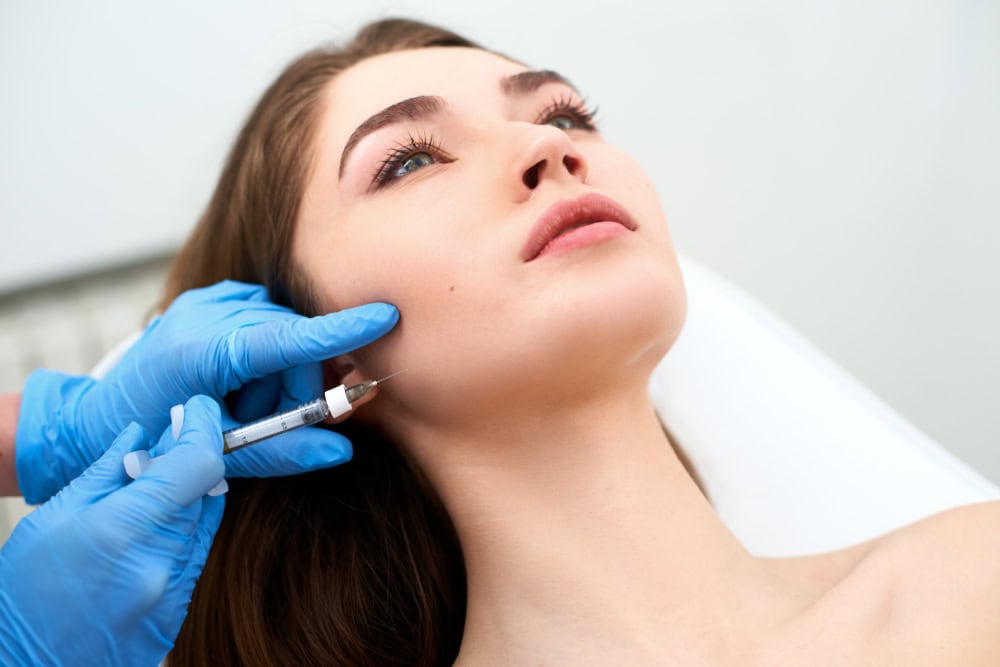
A woman getting dermal fillers to improve jowls on her face.

Botox and Ultherapy at Plenary Wellness in Phuket

Plenary Longevity Wellness in Nai Harn, Phuket, is a physician-led clinic that combines facial aesthetic treatments with longevity medicine under one medical team.

Our doctors assess the jawline, lower cheeks, and skin quality before recommending Ultherapy Prime, Botox, or a combination treatment. We focus on individual assessment, realistic expectations, and a clear discussion of risks before any procedure.

Our doctors can review Ультратерапия Прайм и Ботокс with you in person. Schedule your appointment for a personalized assessment and a plan built around your unique physiology today.

Использованная литература:

  1. A Systematic Review of the Efficacy of Microfocused Ultrasound for Facial Skin Tightening. Retrieved on November 2, 2026, from https://pmc.ncbi.nlm.nih.gov/articles/PMC9861614/
  2. Use of Micro-focused Ultrasound for Skin Tightening of Mid and Lower Face. Retrieved on November 2, 2026, from https://pmc.ncbi.nlm.nih.gov/articles/PMC7288869/
  3. Anatomical Proposal for Botulinum Neurotoxin Injection Targeting the Platysma Muscle for Treating Platysmal Band and Jawline Lifting: A Review. Retrieved on November 2, 2026, from https://pmc.ncbi.nlm.nih.gov/articles/PMC9783622/
  4. The effectiveness of facial exercises for facial rejuvenation: a systematic review. Retrieved on November 2, 2026, from https://www.epistemonikos.org/en/documents/d72d94edb0d2c1fe37d809c654ea120e2a2e0036
  5. Treatment of Soft Tissue Filler Complications: Expert Consensus Recommendations. Retrieved on November 2, 2026, from https://pmc.ncbi.nlm.nih.gov/articles/PMC5840246

Frequently Asked Questions About How to Get Rid of Jowls (FAQs)

A: Jowls develop as collagen declines, facial fat shifts, and supporting tissues loosen. Genetics, sun exposure, and weight changes also influence their appearance.
A: Sun protection, a retinoid, and stable weight support skin quality, and professional treatments such as Ultherapy may improve mild to moderate laxity in selected patients. Results vary, and home methods rarely lift pronounced jowls.
A: A systematic review of nine reports in Aesthetic Surgery Journal found the evidence insufficient to judge effectiveness, and none of the reports used a control group.
A: Botox may soften downward muscle pull, such as platysmal bands, in selected patients. It does not remove loose skin or reposition descended tissue.
A: Ultherapy may improve mild to moderate laxity, and a 2023 systematic review found improvement in most participants at day 90. It is not a surgical facelift, and pronounced sagging may show limited change.
A: Studies assessed results at day 90 and at six months, and the timing and degree of improvement vary between individuals. A physician can set expectations and a follow-up plan during the assessment.

ru_RU